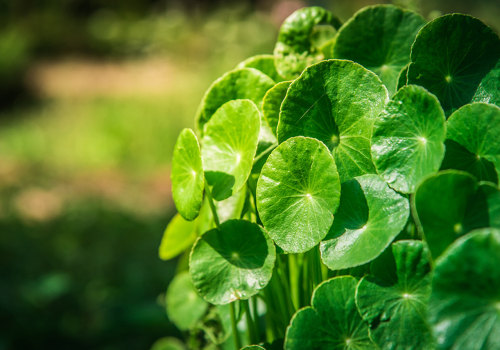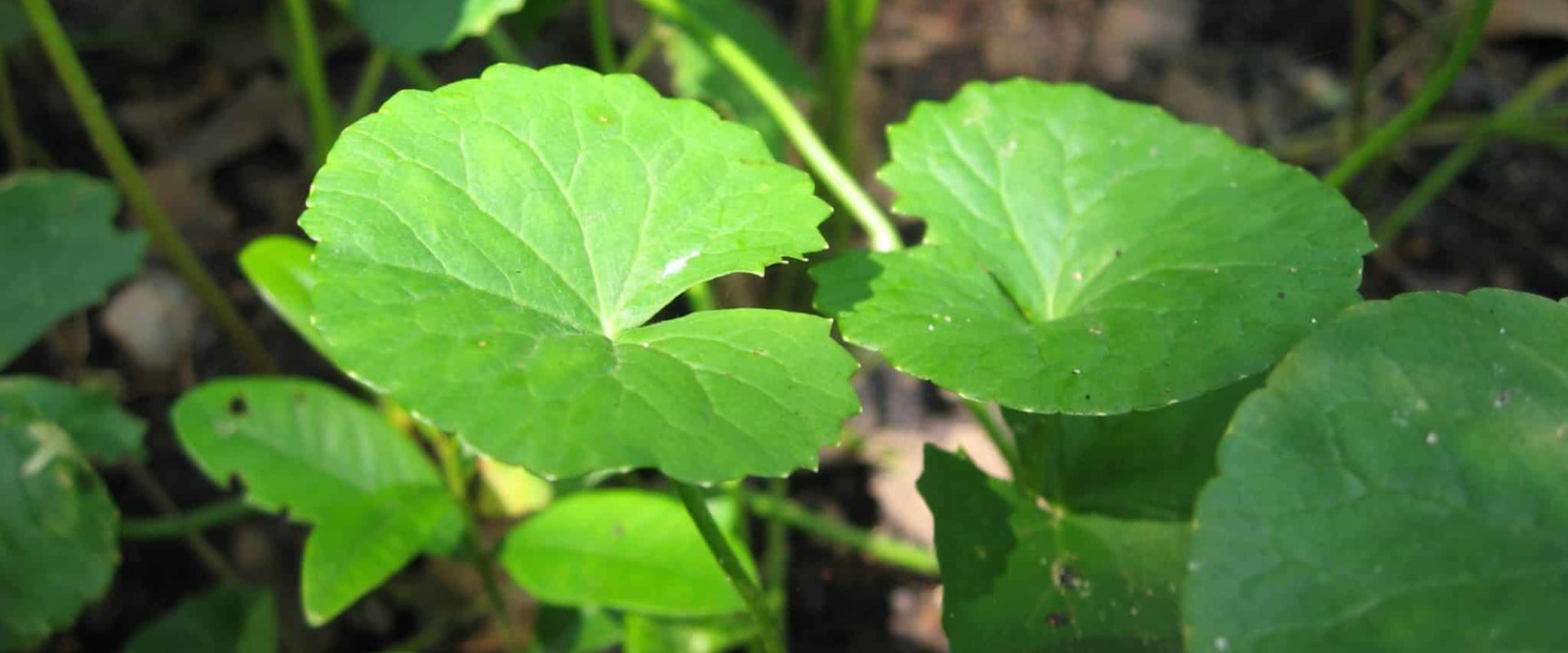
Gotu kola, scientifically known as Centella asiatica , is a remarkable herb that has captured the attention of herbalists and health enthusiasts alike. This small, green plant, native to Asia, has been revered for centuries in traditional medicine systems, particularly in Ayurveda and Traditional Chinese Medicine. Its leaves, often described as fan-shaped, are not only visually appealing but are also packed with a variety of bioactive compounds that contribute to its potential health benefits. Historically, gotu kola has been used to treat a range of ailments, from skin conditions to cognitive decline. In many cultures, it is believed to enhance mental clarity and promote longevity.
The herb's rich history is intertwined with folklore and traditional practices, where it was often referred to as a "brain tonic" due to its purported ability to improve memory and concentration. However, as interest in natural remedies grows, so does the need for a critical examination of the claims surrounding its benefits. While many people tout the gotu kola benefits, including its potential to aid in wound healing and reduce anxiety, it is essential to approach these assertions with a discerning eye. Scientific research on Centella asiatica has yielded mixed results, prompting questions about the validity of its traditional uses. As we delve deeper into the world of gotu kola, we will explore both the historical context and the contemporary scientific findings that seek to separate fact from fiction. This exploration will not only highlight the potential advantages of incorporating gotu kola into one’s wellness routine but will also emphasize the importance of understanding the limitations and possible side effects associated with its use.
By doing so, we aim to provide a comprehensive overview that empowers readers to make informed decisions about this intriguing herb.
Understanding Gotu Kola: A Brief Overview
Gotu kola, scientifically known as Centella asiatica, is a perennial herb that thrives in tropical and subtropical regions around the world. This plant is characterized by its small, fan-shaped leaves and delicate white or pink flowers. It typically grows in wet, marshy areas and is often found in countries such as India, Sri Lanka, China, and Indonesia. The leaves of gotu kola are not only visually appealing but are also packed with a variety of bioactive compounds that contribute to its medicinal properties. The historical significance of gotu kola is profound, particularly in traditional Asian medicine.In Ayurvedic practices, it has been revered for centuries as a rejuvenating herb, often referred to as "the herb of longevity." Ancient texts suggest that it was used to enhance cognitive function, promote wound healing, and improve skin health. Similarly, in Traditional Chinese Medicine (TCM), gotu kola is believed to support liver health and improve circulation. In addition to its historical uses, gotu kola has been incorporated into various cultural practices. For instance, in some regions of India, it is consumed as a salad or added to dishes for its nutritional benefits. The leaves are rich in vitamins A, C, and E, as well as several B vitamins, making them a valuable addition to the diet. From a botanical perspective, gotu kola belongs to the Apiaceae family and is closely related to other herbs like parsley and carrots.
Its unique properties stem from the presence of triterpenoids, flavonoids, and other phytochemicals that exhibit anti-inflammatory and antioxidant effects. These compounds are believed to play a crucial role in promoting overall health and well-being. In summary, gotu kola is more than just an herb; it is a plant steeped in history and tradition. Its diverse applications in herbal medicine highlight its potential benefits for various health conditions. As research continues to explore the full extent of its properties, gotu kola remains a fascinating subject for both herbalists and health enthusiasts alike.
The Promised Benefits of Gotu Kola
Gotu kola, scientifically known as Centella asiatica, has been celebrated for centuries in traditional medicine, particularly in Asian cultures.Its purported health benefits have sparked interest among herbal enthusiasts and researchers alike. Below, we explore some of the most commonly cited benefits of gotu kola, supported by both anecdotal evidence and scientific studies.
Cognitive Enhancement
One of the most intriguing claims surrounding gotu kola is its potential to enhance cognitive function. Some studies suggest that this herb may improve memory and concentration, making it a popular choice among students and professionals seeking mental clarity. The active compounds in gotu kola, such as triterpenoids, are believed to promote blood circulation in the brain, which could lead to improved cognitive performance. However, while some users report enhanced focus and reduced anxiety when using gotu kola, scientific evidence remains mixed.A few clinical trials have indicated positive effects on mood and anxiety levels, but more rigorous research is needed to establish a definitive link between gotu kola and cognitive enhancement.
Wound Healing Properties
Gotu kola is perhaps best known for its role in promoting wound healing. Traditional healers have long used this herb to treat various skin conditions, including cuts, burns, and psoriasis. Research supports these claims; studies have shown that topical applications of gotu kola extract can accelerate the healing process by enhancing collagen production and reducing inflammation. In one study, participants who applied a cream containing gotu kola to their wounds experienced faster healing times compared to those who used a placebo. This makes gotu kola a valuable addition to natural skincare regimens aimed at improving skin health.Skin Health Benefits
Beyond wound healing, gotu kola is also touted for its ability to improve overall skin health.The herb is rich in antioxidants, which help combat oxidative stress and may reduce the appearance of fine lines and wrinkles. Additionally, its anti-inflammatory properties can soothe irritated skin and promote a more even complexion. Many skincare products now incorporate gotu kola extract due to its potential benefits for conditions like eczema and acne. Users often report improvements in skin texture and hydration after consistent use of products containing this powerful herb. In summary, while the health benefits of gotu kola are widely recognized in traditional medicine, ongoing research is essential to fully understand its efficacy. Whether used for cognitive enhancement or skin health, it is crucial to approach gotu kola with an informed perspective and consult healthcare professionals when considering its use.
Cognitive Function and Mental Health: Can Gotu Kola Help?
The potential of gotu kola (Centella asiatica) to enhance cognitive function and support mental health has garnered significant attention in recent years.Traditionally used in various cultures for its medicinal properties, this herb is often touted for its ability to improve memory, concentration, and overall brain health. However, the scientific evidence supporting these claims is still evolving. Several studies have investigated the effects of gotu kola on cognitive function. One notable study published in the journal Phytotherapy Research found that participants who consumed gotu kola extract showed improvements in memory retention and cognitive performance compared to those who received a placebo. The researchers attributed these benefits to the herb's ability to enhance blood circulation in the brain, which may facilitate better oxygen and nutrient delivery to brain cells. Moreover, gotu kola is believed to possess neuroprotective properties.
It contains compounds such as triterpenoids, which have been shown to reduce oxidative stress and inflammation in the brain. These mechanisms are crucial because oxidative stress is linked to neurodegenerative diseases like Alzheimer’s and Parkinson’s. By mitigating these harmful effects, gotu kola may contribute to long-term brain health. In addition to cognitive benefits, there is growing interest in gotu kola's role in mental health. Some studies suggest that it may help alleviate symptoms of anxiety and depression.
For instance, a clinical trial indicated that participants who took gotu kola experienced reduced anxiety levels compared to those who did not. The calming effects of this herb are thought to stem from its ability to modulate neurotransmitter activity, particularly serotonin and dopamine, which play vital roles in mood regulation. Despite these promising findings, it is essential to approach the use of gotu kola with caution. While some individuals may experience positive effects on their cognitive function and mental health, others might not see significant changes or could even experience side effects such as gastrointestinal discomfort or skin irritation. In conclusion, while there is some evidence supporting the cognitive benefits of gotu kola and its potential role in enhancing mental health, further research is necessary to fully understand its efficacy and safety. As with any supplement, it is advisable to consult with a healthcare professional before incorporating gotu kola into your routine.
Gotu Kola in Wound Healing: What Does the Research Say?
Gotu kola, scientifically known as Centella asiatica, has garnered attention for its potential benefits in wound healing and skin repair.This herb has been utilized in traditional medicine for centuries, particularly in Asian cultures, where it is revered for its therapeutic properties. Recent clinical studies have begun to substantiate these claims, shedding light on how gotu kola may aid in the healing process. One of the primary mechanisms through which gotu kola is believed to promote wound healing is its ability to enhance collagen production. Collagen is a crucial protein that provides structure and strength to the skin. A study published in the journal Wound Repair and Regeneration found that topical application of gotu kola extract significantly increased collagen synthesis in human skin fibroblasts, which are essential for wound healing.
This increase in collagen not only aids in the repair of damaged skin but also helps reduce the appearance of scars. In addition to promoting collagen production, gotu kola has anti-inflammatory properties that can further facilitate healing. Inflammation is a natural response to injury; however, excessive inflammation can hinder the healing process. Research indicates that compounds found in gotu kola, such as asiaticoside and madecassoside, can help modulate inflammatory responses, thereby creating a more favorable environment for skin repair. Several clinical trials have explored the efficacy of gotu kola in treating various skin conditions. For instance, a randomized controlled trial involving patients with chronic wounds demonstrated that those treated with a gotu kola ointment experienced faster healing times compared to those receiving standard care.
Participants reported not only quicker recovery but also less pain and discomfort during the healing process. Moreover, gotu kola has shown promise in reducing scarring. A study published in the Journal of Cosmetic Dermatology highlighted that individuals applying a cream containing gotu kola extract on their scars experienced significant improvements in scar appearance over time. The herb's ability to promote healthy skin regeneration while minimizing scar tissue formation makes it an appealing option for those looking to improve their skin's texture and appearance. While the evidence supporting gotu kola's role in wound healing is promising, it is essential to approach its use with caution. As with any herbal remedy, individual responses may vary, and it is advisable to consult with a healthcare professional before incorporating it into your skincare regimen.
Overall, the research suggests that gotu kola could be a valuable ally in promoting skin health and enhancing wound recovery.
Potential Side Effects and Risks of Gotu Kola
While gotu kola (Centella asiatica) is often praised for its potential health benefits, it is crucial to consider the possible side effects and risks associated with its use. Understanding these factors can help individuals make informed decisions about incorporating this herb into their wellness routines. One of the most commonly reported side effects of gotu kola is gastrointestinal discomfort. Some users have experienced symptoms such as:- Nausea
- Upset stomach
- Diarrhea
- Loss of appetite
When applied topically, gotu kola extracts may cause reactions in some individuals, leading to:
- Redness
- Itching
- Rash
- Pregnant and breastfeeding women: Limited research exists on the safety of gotu kola during pregnancy and lactation. Therefore, it is best to avoid its use unless advised by a healthcare provider.
- Individuals with liver conditions: Some studies suggest that gotu kola may affect liver function. Those with pre-existing liver issues should consult their doctor before using this herb.
- People taking certain medications: Gotu kola may interact with medications, particularly those that affect blood pressure or blood sugar levels. Always discuss potential interactions with your healthcare provider.
Consulting with a healthcare professional before starting any new supplement regimen can help ensure safety and efficacy tailored to individual health needs.
The Controversy: Separating Fact from Fiction
The discussion surrounding gotu kola (Centella asiatica) is often clouded by a mix of anecdotal evidence and scientific inquiry. As its popularity has surged, so too have the myths and misconceptions about its benefits. This section aims to dissect these claims, providing clarity on what is fact and what is fiction.Myth 1: Gotu Kola is a Miracle Cure for All Ailments
One of the most pervasive myths is that gotu kola can cure a wide range of health issues, from anxiety to skin conditions. While some studies suggest potential benefits, such as improved wound healing and reduced anxiety symptoms, these findings are not universally accepted.
The evidence supporting these claims is often limited in scope and requires further validation through rigorous clinical trials.
Myth 2: Gotu Kola Has No Side Effects
Another common misconception is that gotu kola is entirely safe with no side effects. In reality, some individuals may experience adverse reactions, including gastrointestinal upset or skin irritation. It’s crucial for users to be aware of their own health conditions and consult healthcare professionals before incorporating this herb into their regimen.
Myth 3: All Gotu Kola Products Are Created Equal
The market is flooded with various gotu kola supplements, but not all products are of equal quality. The concentration of active compounds can vary significantly between brands, affecting efficacy.
Consumers should seek out reputable sources and consider third-party testing to ensure product quality.
Myth 4: Gotu Kola Improves Cognitive Function Significantly
While some studies have indicated that gotu kola may have a positive impact on cognitive function, the results are mixed. Some research shows no significant improvement in memory or mental clarity among users. This inconsistency highlights the need for more comprehensive studies to draw definitive conclusions about its cognitive benefits.
Conclusion
In summary, while gotu kola does offer some promising health benefits, it is essential to approach its use with a critical eye. Separating fact from fiction can help consumers make informed decisions about incorporating this herb into their health routines.
Always consult with a healthcare provider to discuss potential benefits and risks associated with gotu kola.
How to Incorporate Gotu Kola into Your Routine Safely
Incorporating gotu kola into your daily routine can be beneficial, but it’s essential to do so safely and effectively. Here are some practical tips on how to use gotu kola, recommended dosages, and guidance on selecting quality supplements.How to Use Gotu Kola
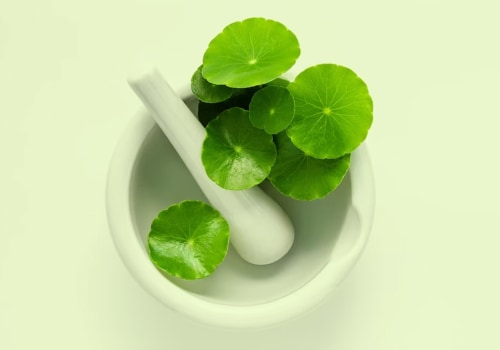
Gotu kola can be consumed in various forms, including:- Teas: Dried gotu kola leaves can be steeped in hot water to make a soothing herbal tea. This method is popular for those who prefer a natural approach.
- Capsules or Tablets: Many people opt for centella asiatica supplements in capsule or tablet form for convenience. This allows for precise dosing and easy incorporation into your routine.
-
Tinctures: Liquid extracts of gotu kola can be added to water or juice.
Tinctures are often more concentrated than teas and may provide quicker effects.
- Topical Applications: Creams or ointments containing gotu kola extract can be applied directly to the skin for localized benefits, particularly in wound healing.
Recommended Dosage
The appropriate dosage of gotu kola can vary based on the form you choose and your individual health needs. Here are some general guidelines:- Dried Leaves: If using dried leaves for tea, 1-2 teaspoons steeped in hot water is typically recommended.
- Capsules/Tablets: A common dosage is between 60-180 mg per day, divided into two or three doses. Always follow the manufacturer’s instructions or consult with a healthcare professional.
- Tinctures: For tinctures, 20-30 drops taken 2-3 times daily is a common recommendation, but this can vary based on concentration.
Selecting Quality Supplements
When choosing gotu kola supplements, consider the following tips to ensure you select high-quality products:- Check for Standardization: Look for products that specify the amount of active compounds, such as triterpenes, which are believed to contribute to its health benefits.
-
Choose Reputable Brands: Opt for well-known brands that have a history of quality and transparency.
Research customer reviews and third-party testing results.
- Avoid Additives: Select supplements that are free from unnecessary fillers, artificial colors, or preservatives to ensure you’re getting pure gotu kola.
- Consult with Professionals: If you’re unsure about which product to choose or how much to take, consult with a healthcare professional who is knowledgeable about herbal supplements.
Frequently Asked Questions about Gotu Kola
As interest in gotu kola (Centella asiatica) continues to grow, many people have questions about its uses, benefits, and safety. Below are some of the most frequently asked questions regarding this intriguing herb.What is Gotu Kola?
Gotu kola is a perennial herb native to Asia, particularly found in wetlands. It has been used for centuries in traditional medicine, especially in Ayurvedic and Chinese practices. The leaves of the plant are often consumed fresh or dried, and they can also be found in various supplements.What are the primary benefits of Gotu Kola?
-
Wound Healing: Gotu kola is renowned for its potential to promote wound healing and reduce scarring.
Studies suggest that it may enhance collagen production, which is vital for skin repair.
- Cognitive Function: Some research indicates that gotu kola may support cognitive health by improving memory and concentration, although findings are mixed.
- Anxiety Relief: There is evidence that gotu kola may help alleviate symptoms of anxiety and stress, potentially acting as a natural relaxant.
- Circulatory Health: The herb is believed to improve blood circulation and may be beneficial for conditions like varicose veins. The herb is believed to improve blood circulation and may be beneficial for conditions like varicose veins.
Are there any side effects associated with Gotu Kola?
While gotu kola is generally considered safe for most people when taken in appropriate doses, some individuals may experience side effects such as:- Upset stomach
- Skin irritation
- Drowsiness or fatigue
Can Gotu Kola interact with medications?
Yes, gotu kola can interact with certain medications, particularly those that affect blood pressure or blood sugar levels. If you are taking any prescription medications or have underlying health conditions, it’s essential to consult your doctor before adding gotu kola to your regimen.How can I incorporate Gotu Kola into my diet?
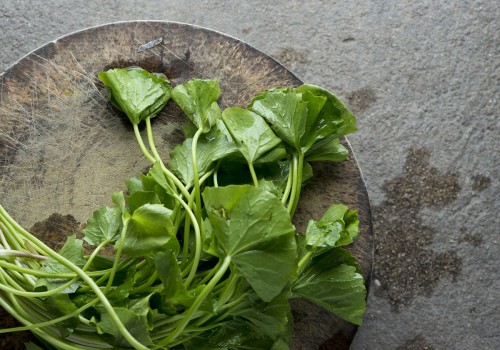
You can consume gotu kola in various forms, including:- Fresh Leaves: Add them to salads or smoothies for a nutritional boost.
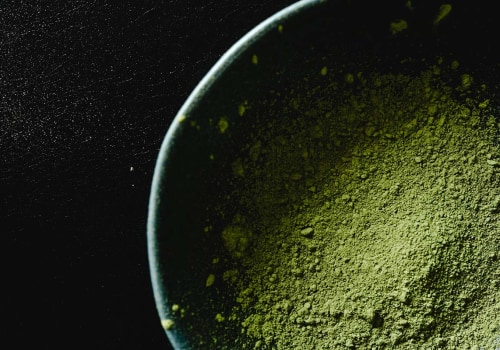
- Dried Powder: Use it in herbal teas or as a supplement.
- Creams and Ointments: Apply topically for skin benefits.
Conclusion: The Final Verdict on Gotu Kola Benefits
In summary, the exploration of gotu kola benefits reveals a complex landscape of potential health advantages intertwined with a need for caution and further research. While this herb, scientifically known as Centella asiatica, has been celebrated in traditional medicine for centuries, modern scientific scrutiny presents a more nuanced picture. Throughout this article, we have examined various claims surrounding gotu kola, including its purported effects on cognitive function, wound healing, and overall health. Some studies suggest that it may aid in reducing anxiety and improving memory, yet the evidence remains inconsistent and often inconclusive.It is crucial to recognize that while some individuals may experience positive outcomes from using gotu kola, others may not see any significant benefits. Moreover, the potential side effects associated with gotu kola supplementation cannot be overlooked. Reports of gastrointestinal discomfort and skin irritation highlight the importance of approaching this herb with care. As with any supplement or herbal remedy, individual responses can vary widely. Given the current state of research, it is essential for consumers to prioritize evidence-based information. Consulting with healthcare professionals before incorporating gotu kola into your wellness routine is highly advisable.
This step ensures that you make informed decisions tailored to your unique health needs and circumstances. In conclusion, while gotu kola may offer some intriguing benefits, it should not be viewed as a panacea or miracle cure. The journey toward understanding its full potential requires more rigorous scientific investigation. As you consider adding this herb to your regimen, remember to listen to your body and remain vigilant about any adverse reactions.