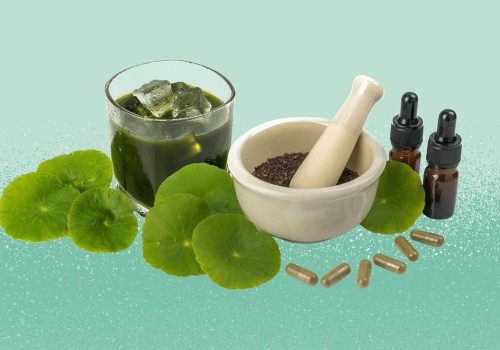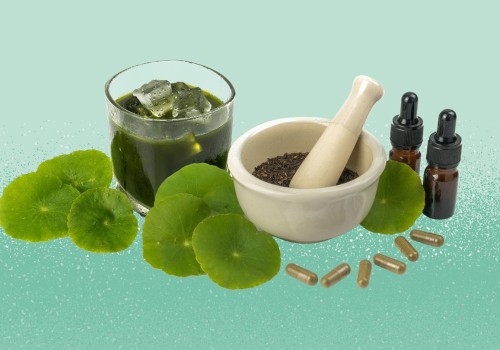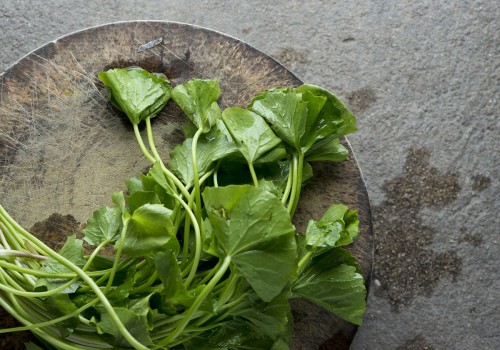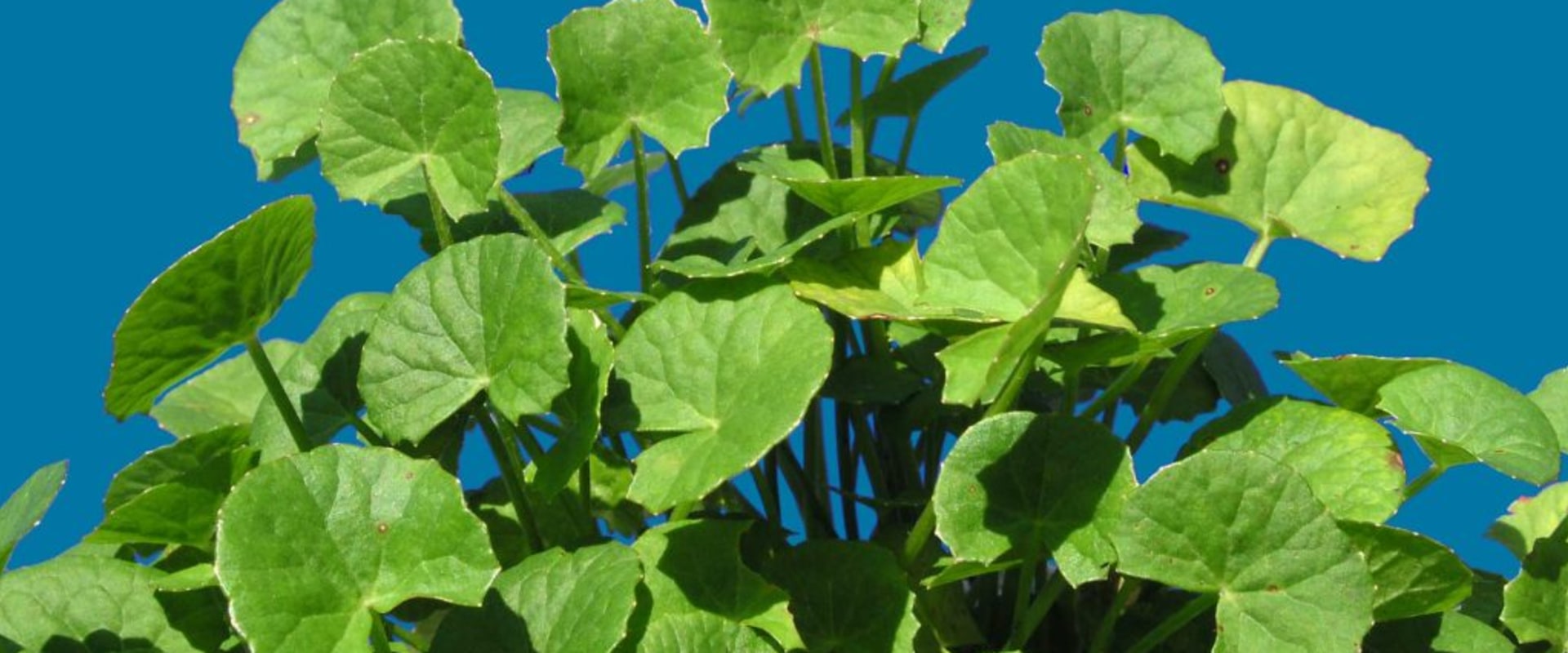
Gotu Kola, scientifically known as Centella Asiatica , is a remarkable herb that has been revered for centuries in traditional medicine systems such as Ayurveda and Traditional Chinese Medicine. This small, green plant, often found in wetland areas across Asia, is not just a culinary ingredient but a powerhouse of health benefits. Its leaves, which resemble small umbrellas, have been utilized for their therapeutic properties, particularly in enhancing cognitive function and promoting overall brain health. If you're curious about natural supplements that can support your wellness journey, you might wonder, what are the best delta 9 gummies? The historical significance of Gotu Kola cannot be overstated. , is a remarkable herb that has been revered for centuries in traditional medicine systems such as Ayurveda and Traditional Chinese Medicine. This small, green plant, often found in wetland areas across Asia, is not just a culinary ingredient but a powerhouse of health benefits. Its leaves, which resemble small umbrellas, have been utilized for their therapeutic properties, particularly in enhancing cognitive function and promoting overall brain health. If you're curious about natural supplements that can support your wellness journey, you might wonder, what are the best delta 9 gummies? The historical significance of Gotu Kola cannot be overstated.
Ancient texts from India and China highlight its use as a remedy for various ailments, including mental fatigue and memory loss. In Ayurvedic practices, it is often referred to as a "brain tonic," believed to rejuvenate the mind and improve clarity of thought. This long-standing tradition has sparked modern scientific interest, leading to numerous studies exploring the potential gotu kola benefits for cognitive enhancement and neuroprotection. Recent research has begun to uncover the mechanisms behind Gotu Kola's effects on the brain. The herb is rich in bioactive compounds such as triterpenoids, flavonoids, and asiaticoside, which are thought to contribute to its neuroprotective properties.
These compounds may help reduce oxidative stress and inflammation in the brain, both of which are critical factors in the development of cognitive decline and dementia. As we delve deeper into the potential of Gotu Kola, it becomes increasingly clear that this ancient herb holds promise not only for enhancing memory but also for safeguarding against neurodegenerative diseases. In summary, Gotu Kola stands out as a significant herbal ally in the quest for better brain health. Its historical roots in traditional medicine combined with emerging scientific evidence make it a compelling subject of study for those interested in natural approaches to cognitive enhancement and dementia prevention. As we explore its benefits further, we will uncover how this humble plant can play a vital role in supporting mental well-being.
The Science Behind Gotu Kola
Gotu Kola, scientifically known as Centella asiatica, is a herb that has garnered significant attention in the realm of cognitive health due to its rich composition of bioactive compounds.Among these, triterpenoids and flavonoids stand out for their potential neuroprotective effects. These compounds are believed to play a crucial role in enhancing brain function and combating cognitive decline.
Triterpenoids
, such as asiaticoside and madecassoside, are known for their anti-inflammatory and antioxidant properties. Research indicates that these compounds may help reduce oxidative stress in the brain, which is a contributing factor to neurodegenerative diseases like dementia. A study published in the journal Phytotherapy Research highlighted that triterpenoids can promote neuronal survival by inhibiting apoptosis (programmed cell death) in neural cells, thereby potentially preserving cognitive function.
Flavonoids
, another class of compounds found in Gotu Kola, are recognized for their ability to enhance blood circulation and improve overall brain health.
They have been shown to facilitate better oxygen and nutrient delivery to brain cells, which is essential for optimal cognitive performance. A recent clinical trial demonstrated that participants who consumed Gotu Kola extract exhibited improved memory retention and cognitive flexibility compared to those who received a placebo. Moreover, the synergistic effect of these compounds may contribute to the herb's overall efficacy. For instance, a combination of triterpenoids and flavonoids has been shown to enhance neurogenesis—the process of forming new neurons—which is vital for maintaining cognitive health as we age. This is particularly relevant for individuals at risk of dementia, as promoting neurogenesis could counteract some of the detrimental effects associated with aging and cognitive decline. In addition to these findings, ongoing research continues to explore the mechanisms through which Gotu Kola exerts its effects on brain health.
Studies utilizing advanced imaging techniques aim to uncover how these bioactive compounds influence brain activity and connectivity. As more evidence emerges, it becomes increasingly clear that Gotu Kola may serve as a valuable ally in the fight against dementia and other cognitive impairments.
Gotu Kola and Cognitive Function: What the Research Says
Research into the effects of Gotu Kola (Centella Asiatica) on cognitive function has gained traction in recent years, particularly concerning its potential benefits for individuals experiencing dementia or cognitive decline. Several studies have explored how this herb may enhance memory and overall cognitive performance. One notable pilot study conducted by Oregon Health & Science University focused on older adults aged 65 to 85 with mild cases of Alzheimer’s disease. The researchers aimed to assess the impact of a specially formulated extract of Gotu Kola on cognitive function.While the study did not directly measure memory improvement, it sought to identify biomarkers in blood samples and brain imaging that could indicate cognitive enhancement. Preliminary findings suggest that the bioactive compounds in Gotu Kola may play a role in promoting brain health. In addition to this pilot study, various clinical trials have examined the cognitive enhancement properties of Gotu Kola. For instance, a randomized controlled trial involving healthy adults demonstrated that supplementation with Gotu Kola extract led to improvements in attention and memory tasks. Participants reported feeling more alert and focused after consistent use of the herb over several weeks. Furthermore, laboratory studies have shown that Gotu Kola contains compounds such as asiaticoside and madecassoside, which are believed to exert neuroprotective effects.
These compounds may help reduce oxidative stress and inflammation in the brain, both of which are critical factors in cognitive decline associated with aging and neurodegenerative diseases. Another aspect worth noting is Gotu Kola's traditional use in Ayurvedic medicine as a remedy for enhancing mental clarity and reducing anxiety. This calming effect can be particularly beneficial for individuals with dementia, who often experience heightened levels of stress and confusion. While the current body of research presents promising evidence regarding the memory benefits of Gotu Kola, it is essential to approach these findings with caution. More extensive clinical trials are necessary to fully understand its efficacy and safety profile, especially among those with existing cognitive impairments. Nevertheless, the potential of Gotu Kola as a natural adjunct therapy for enhancing cognitive function remains an exciting area for future exploration.
Potential Benefits of Gotu Kola for Dementia Patients
Gotu Kola, scientifically known as Centella Asiatica, has garnered attention for its potential benefits in supporting brain health, particularly for individuals facing dementia.This herb is rich in bioactive compounds that may enhance cognitive function and improve overall quality of life for dementia patients. One of the most significant gotu kola benefits is its ability to potentially improve memory. Research suggests that the active constituents in Gotu Kola, such as asiaticoside and madecassoside, may promote neurogenesis—the process of forming new neurons. This is particularly crucial for dementia patients, as neurodegenerative diseases often lead to a decline in cognitive abilities, including memory retention. In addition to memory enhancement, Gotu Kola is known for its calming properties, which can be beneficial for individuals experiencing anxiety or agitation—a common issue among dementia patients. By reducing anxiety levels, Gotu Kola may help create a more peaceful mental state, allowing patients to engage more fully with their surroundings and loved ones. Furthermore, the herb has been shown to possess antioxidant properties that combat oxidative stress in the brain.
Oxidative stress is a contributing factor to cognitive decline and dementia progression. By neutralizing free radicals, Gotu Kola may help protect brain cells from damage and support overall brain health. Another noteworthy aspect of Gotu Kola is its potential to improve sleep quality. Sleep disturbances are prevalent among those with dementia, often exacerbating cognitive decline. The calming effects of Gotu Kola can promote better sleep patterns, which are essential for cognitive restoration and overall well-being. In summary, the potential benefits of Gotu Kola for dementia patients are multifaceted.
From enhancing memory and reducing anxiety to promoting better sleep and protecting brain health, this herb offers a holistic approach to improving the quality of life for those affected by cognitive impairments. As research continues to unfold, Gotu Kola may emerge as a valuable ally in the fight against dementia.
Safety and Side Effects of Gotu Kola
When considering the use of Gotu Kola (Centella Asiatica) for cognitive enhancement or other health benefits, it is crucial to understand its safety profile, potential side effects, and interactions with medications. While many individuals may find this herb beneficial, it is essential to approach its use with caution.Safety Profile
Generally, Gotu Kola is regarded as safe for most people when taken in appropriate doses. However, like any herbal supplement, it can cause adverse effects in some individuals.
The most commonly reported side effects include:
- Gastrointestinal issues such as nausea, upset stomach, or diarrhea.
- Headaches or dizziness.
- Skin reactions, particularly in those with sensitivities or allergies.
- Fatigue or drowsiness.
Interactions with Medications
Gotu Kola may interact with certain medications, which can lead to increased risks or reduced effectiveness of treatments. Some notable interactions include:
- Anticoagulants and Antiplatelet Drugs: Gotu Kola may enhance the effects of blood-thinning medications, increasing the risk of bleeding.
- Sedatives: Due to its calming properties, Gotu Kola may amplify the effects of sedative medications, leading to excessive drowsiness.
- Liver Metabolized Drugs: There have been rare reports of liver toxicity associated with Gotu Kola; thus, caution is advised when taking it alongside medications that affect liver function.
Consultation with Healthcare Professionals
Before incorporating Gotu Kola into your regimen, especially if you are pregnant, nursing, or have pre-existing health conditions, it is vital to consult a healthcare professional. They can provide personalized advice based on your medical history and current medications. This step is particularly important for older adults or those with cognitive impairments who may be more susceptible to side effects and drug interactions. In summary, while Gotu Kola offers promising benefits for brain health and cognitive function, understanding its safety profile and potential interactions is essential for safe use.
Always prioritize informed decisions by seeking guidance from qualified healthcare providers.
How to Incorporate Gotu Kola into Your Routine
Incorporating Gotu Kola into your daily routine can be a rewarding endeavor, especially for those looking to enhance cognitive function and overall brain health. This versatile herb can be consumed in various forms, including teas, supplements, and topical applications. Below are some practical ways to integrate Gotu Kola into your lifestyle.Gotu Kola Tea
One of the most popular methods of consuming Gotu Kola is through tea. Making Gotu Kola tea is simple and can be a soothing ritual.Here’s a basic recipe:
-
Ingredients:
- 1-2 teaspoons of dried Gotu Kola leaves
- 1 cup of boiling water
- Honey or lemon (optional, for taste)
-
Instructions:
- Place the dried leaves in a teapot or cup.
- Pour boiling water over the leaves and let steep for 10-15 minutes.
- If desired, add honey or lemon to enhance flavor.
- Strain the leaves and enjoy your tea warm.
Supplements
If you prefer a more concentrated form, Gotu Kola supplements are widely available in capsules or tinctures. When choosing a supplement, look for high-quality products from reputable brands. The typical dosage ranges from 300 to 600 mg per day, divided into two or three doses.However, it’s essential to follow the manufacturer’s instructions or consult with a healthcare professional for personalized advice.
Topical Applications
Gotu Kola is also beneficial when applied topically. It is often found in creams and ointments designed to promote skin healing and rejuvenation. To use Gotu Kola topically:- Select a cream or ointment: Look for products that list Gotu Kola as one of the primary ingredients.
- Application: Apply a small amount to the affected area once or twice daily.
- Patch test: Always perform a patch test before using any new topical product to ensure there are no adverse reactions.
Frequently Asked Questions about Gotu Kola and Dementia
As interest in Gotu Kola (Centella Asiatica) grows, many individuals have questions about its potential benefits for dementia and overall brain health.Below are some of the most frequently asked questions regarding this remarkable herb.
What is Gotu Kola?
Gotu Kola is a perennial herb native to Asia, known for its medicinal properties. Traditionally used in Ayurvedic and Chinese medicine, it is celebrated for its ability to enhance cognitive function, promote mental clarity, and support overall brain health.How does Gotu Kola benefit brain health?
The active compounds in Gotu Kola, such as asiaticoside and madecassoside, are believed to improve blood circulation in the brain, reduce oxidative stress, and promote the regeneration of nerve cells. These effects may contribute to enhanced memory and cognitive function, making it a potential ally in combating dementia.Can Gotu Kola help with dementia symptoms?
While research is still ongoing, preliminary studies suggest that Gotu Kola may help alleviate some symptoms associated with dementia. Its neuroprotective properties could potentially slow cognitive decline and improve memory retention in individuals experiencing early stages of dementia.Are there any side effects of using Gotu Kola?
Generally considered safe for most people, Gotu Kola can cause mild side effects such as stomach upset or skin irritation in some cases.It is essential to consult with a healthcare professional before starting any new supplement, especially for those taking medications or with pre-existing health conditions.
How can I incorporate Gotu Kola into my routine?
- Tea: Brew dried leaves to make a soothing tea.
- Capsules: Available in health stores, these provide a convenient dosage.
- Tinctures: Liquid extracts can be added to water or juice.
Is there scientific evidence supporting Gotu Kola's effectiveness?
While anecdotal evidence and traditional use support its benefits, scientific studies are still limited. Some clinical trials have shown promising results regarding memory enhancement and cognitive function improvement. However, more extensive research is needed to establish definitive conclusions. If you are considering using Gotu Kola for cognitive health or dementia prevention, it is advisable to discuss it with a healthcare provider to ensure it aligns with your individual health needs.Conclusion: The Future of Gotu Kola in Dementia Care
In summary, the exploration of Gotu Kola (Centella Asiatica) as a potential ally in the fight against dementia reveals a landscape rich with promise yet marked by the need for further investigation. The herb's historical use in traditional medicine, particularly in Ayurvedic and Chinese practices, underscores its long-standing reputation as a cognitive enhancer.Recent studies, including those conducted at institutions like Oregon Health & Science University, have begun to shed light on its possible benefits for individuals experiencing cognitive decline. Key findings suggest that Gotu Kola may offer several benefits for brain health:
- Memory Enhancement: Preliminary research indicates that compounds found in Gotu Kola could support memory function, potentially offering a natural means to bolster cognitive abilities.
- Neuroprotection: Laboratory studies have shown that bioactive components in Gotu Kola may protect neural cells from damage, which is crucial for individuals at risk of dementia.
- Anxiety Reduction: The calming effects of Gotu Kola can help alleviate anxiety, a common issue among dementia patients, thereby improving their overall quality of life.
- Sleep Improvement: Given the prevalence of sleep disturbances in dementia patients, Gotu Kola's potential to promote restful sleep could be an essential aspect of its therapeutic profile.
By embracing both traditional wisdom and modern science, we can pave the way for innovative strategies that enhance brain health and improve the lives of individuals facing the challenges of dementia.